
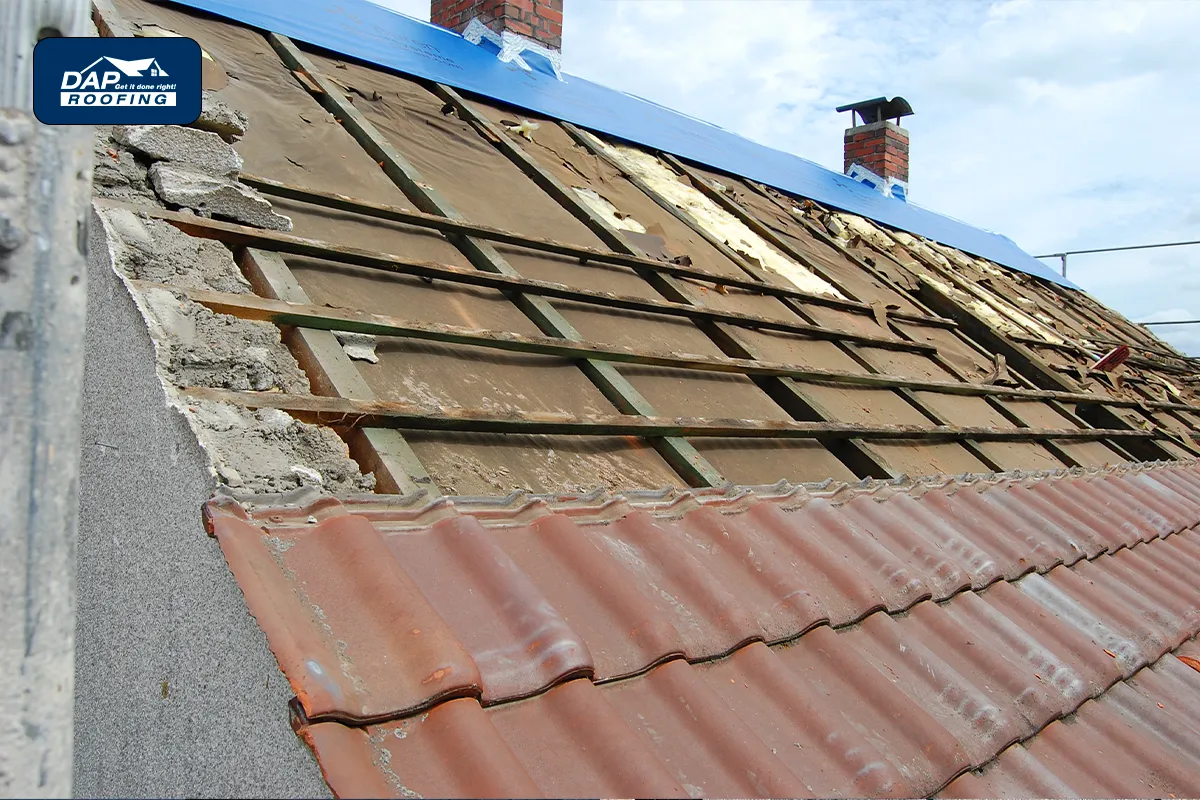
Common Roofing Problems in Norfolk County Homes
If you own a home in Norfolk County, your roof goes through more stress in a single year than many roofs do in five.
Heavy snow loads. Freeze-thaw cycles. Wind-driven rain. Sudden temperature swings between seasons. Over time, even a well-installed roofing system begins to show signs of wear, and small issues, if ignored, can turn into expensive repairs faster than most homeowners expect.
This guide breaks down the most common roofing problems we see across Norfolk County, what causes them, and what to watch for before they become serious.
At a Glance: Most Common Roofing Issues
Across Norfolk County homes, a few problems show up consistently:
Shingle damage from wind and weather exposure
Roof leaks caused by flashing or aging materials
Ice dam formation during winter months
Poor attic ventilation leading to premature roof failure
Granule loss and surface deterioration over time
Each of these issues starts small. The key is understanding how they develop and catching them early.
Shingle Damage: The First Sign of Wear
For most homes in the area, asphalt shingles take the brunt of Ontario’s weather. Over time, they begin to loosen, crack, or lift, especially after strong winds or seasonal storms.
You might not notice it from the ground, but even a few missing or damaged shingles can expose the underlayment to moisture. Once that happens, water intrusion isn’t far behind.
Wind damage is particularly common in open rural areas around Norfolk County, where homes aren’t shielded by dense development. Shingles that were installed years ago (or installed improperly) are especially vulnerable.
According to the Asphalt Roofing Manufacturers Association, regular inspections after major weather events are one of the most effective ways to extend the life of an asphalt roof.
Roof Leaks: Small Entry Points, Big Problems
Most homeowners assume roof leaks come from obvious damage. In reality, many leaks start in the least visible areas of your roof.
Flashing around chimneys, vents, and roof valleys is often the weak point. Over time, seals degrade, metal components shift, and small gaps form. Water finds those gaps quickly.
The problem is rarely dramatic at first. A slow leak might show up as a ceiling stain, slight discoloration, or even just a musty smell in the attic. But left untreated, it can lead to insulation damage, mold growth, and structural issues.
The National Research Council Canada emphasizes that moisture intrusion is one of the leading causes of long-term building deterioration in Canadian homes, and roofing failures are often the entry point.
Ice Dams: A Winter Problem with Hidden Damage
Ice dams are one of the most misunderstood roofing issues in Ontario.
They form when heat escapes from your attic, warming the upper portion of the roof while the eaves remain cold. Snow melts near the top, then refreezes at the edges, creating a barrier that traps water behind it.
That trapped water doesn’t just sit there: it works its way under shingles and into the roof structure.
Even newer roofs can suffer from ice dams if ventilation and insulation aren’t properly balanced. According to Natural Resources Canada, proper attic ventilation and air sealing are just as important as the roofing material itself when it comes to preventing ice dams.
Poor Ventilation: The Silent Roof Killer
This is the issue most homeowners never see, and one of the most damaging over time.
A roof isn’t just shingles. It’s a system. And that system depends on proper airflow through the attic.
When ventilation is inadequate, heat and moisture get trapped. In winter, that contributes to ice dams. In summer, it overheats the roof deck and accelerates shingle deterioration.
The result? A roof that should last 20–25 years might start failing in 12–15.
Signs of poor ventilation aren’t always obvious, but they often include uneven snow melt, excessive attic heat, or premature aging of roofing materials.
Granule Loss and Aging Materials
If you’ve ever cleaned your gutters and noticed sand-like particles, you’ve already seen this problem in action.
Those particles are granules from your shingles and they play a critical role in protecting your roof from UV damage and weather exposure.
As shingles age, they lose those granules. The surface becomes weaker, more brittle, and less resistant to the elements.
This process is gradual, but it accelerates in climates like Norfolk County, where seasonal extremes constantly expand and contract roofing materials.
Once significant granule loss occurs, replacement is often the next step.
When to Repair vs. Replace
Not every roofing issue means you need a full replacement.
Minor shingle damage, isolated leaks, or early-stage wear can often be repaired quickly and cost-effectively. The key is catching those problems early.
However, when issues become widespread (multiple leaks, aging shingles across the entire roof, or structural concerns) replacement becomes the smarter long-term decision.
A good rule of thumb: if repairs are becoming frequent, the roof is telling you something.
Preventing Roofing Problems Before They Start
The difference between a roof that lasts 15 years and one that lasts 25 often comes down to maintenance and installation quality.
Regular inspections, proper ventilation, and addressing small issues early can dramatically extend the life of your roof.
It’s not about over-maintaining: it’s about being proactive.
A quick inspection today can prevent a major repair tomorrow.
Final Thoughts
Roofing problems rarely appear overnight. They develop gradually, often out of sight, until they reach a point where they can’t be ignored.
For homeowners in Norfolk County, understanding these common issues is the first step toward protecting your home long-term.
Whether it’s a minor repair or a full replacement, the goal is the same: a roofing system that performs reliably in Ontario’s demanding climate.
DAP Roofing has been helping homeowners across Norfolk County and surrounding areas since 2002, with over 3,000 roofs completed and a deep understanding of local conditions. When something feels off with your roof, it’s worth getting it checked.
FAQ — Roofing Problems in Norfolk County
What is the most common roofing problem in Ontario?
Shingle damage and roof leaks are the most common issues, typically caused by weather exposure and aging materials.
How do I know if my roof has a leak?
Signs include water stains on ceilings, damp insulation, mold smells, or visible damage in the attic.
Are ice dams a serious problem?
Yes. Ice dams can force water under shingles and cause internal damage if not addressed properly.
How often should I inspect my roof?
At least once a year, and after major storms. Regular inspections help catch small problems early.
Can roofing problems be prevented?
Most can be minimized with proper installation, ventilation, and routine maintenance.
[ CTA ] GET A FREE ROOF REVISION TODAY
